Amelia is a recent widow. Her husband was a well-known artist. However, due to the husband’s decline in health, they lived a secluded life in Papua New Guinea for several years. Amelia sells the home, takes a few of her favorite pieces from her husband’s collection, and moves to Italy. A place where there are no memories of them together. A place where she can begin to find herself, the once-forgotten Amelia. Her two daughters believe she has gone mad until they visit and see that this adventure is exactly what their mother needs. Through Amelia’s new friends, she finds herself – and she finds serenity. Though, not in ways she ever expected.
Recommendation
This is not about a TCK, but it is about expat living. We watch a woman grieving her loss, processing her late husband’s mistakes, all the while learning a new language and culture. She makes friends with the “locals” and becomes one of them. Since Apple is a TCK herself, I believe she intentionally adds one character in her novel that is. Amelia has a clever conversation with this TCK, and in just a few sentences, one reads the facts of growing up outside your passport. This TCK says, “That’s the trouble with a nomadic upbringing. One tends to feel at home in many places.” He then shares that his sister had a rough time and hasn’t moved since after university.
If you are looking for a fun book to read this summer or for a long flight, I recommend this book. You can escape to the vineyards of Italy and the many cafes while reading something you understand even if you have never stepped foot into Italy.
*Please note that I earn from qualifying purchases as an Amazon Associate. Please see the disclaimer at the bottom of the page.
Today’s story involves my TCK husband, my daughter with special needs, and stress. And, of course, myself with lessons learned.
Setting
You may know that my husband is German but grew up on the island of Taiwan. He has only lived in Germany for a total of six years. This story occurred in his passport country, where the temperature dropped tremendously. We had packed for cooler temperatures, not for winter. We stayed in a village nestled in the middle of steep forested hills and valleys. It was beautiful and quiet but far from civilization.
Conflict
In any story, there is some sort of conflict. It can be person vs. person, person vs. self, or person vs. nature. This one may seem to be a person vs. person conflict, but it is, in fact, a conflict involving all three — one you may call the perfect conflict storm.
Person vs. Nature: Most of my work these days revolves around the computer and being online. The same is true for my husband. This beautiful location had very limited wifi. In fact, we could not all be on it simultaneously. We needed to take turns or go to a coffee shop inside Globus. I was waking up at 4am due to jet lag, so I would work until 7am while most of the village was sleeping. Most days it was slow but doable within those three hours. The weather had turned from sunny, gorgeous blue skies to cold, gray, rainy days. It just added to the tension of this particular morning.
Person vs. Self: The pressure I put on myself is sometimes ridiculous. I struggle with being a perfectionist. At this point, I had writing and editing deadlines due and quite a bit of reading to do. As a mom to an adult with special needs, I wanted to make sure that I had stimulating activities for her to do, which I failed for the most part. Then, there is the pressure I put on myself to be the idolized Proverbs 31 woman. I’m old enough and have studied that passage enough to know the real meaning, but I slip back into that belief system when I’m in my perfectionist mode.
Person vs. Person: My husband is great. He is patient with me and understanding most of the time. But there are times in our lives when we are both under pressure, stressed, and fighting inner battles that we tend to clash with each other. This was one of those mornings. And then there is my daughter with special needs. She is nonverbal, but communicates very well what she wants most of the time. She has her ideas of what she wants and we have our ideas of what she can have. And sometimes those are not the same. Thus, a conflict of wills.
On this early morning, I woke up with no coffee powder. We were out. I didn’t want to risk waking his parents at such an early hour, so I made tea. The internet was at an all-time speed of zilch. Okay, I can go to the coffee shop when Uwe wakes up and still make the deadline. No problem. I read books for my research and did what I could that didn’t require wifi.
Uwe woke and went down to get coffee powder. We had a quiet breakfast together with coffee. My day was getting better. Matthea woke, and I began to help her get ready for the day. Uwe made her breakfast.
All seemed to be going as I had planned.
As I passed the kitchen to grab Matthea’s clothes in the other room, I noticed Uwe packing his computer into his bag.
Umm, are you planning to go to the coffee shop?
I talked to Dad this morning, and he needs to go to the store, so I’m going to ride with him. I will work at the coffee shop and then bring back lunch for us.How does that sound?
A perfect wife would have said, “That sounds wonderful.” But more likely could have said, “Wait, you are going to the coffee shop? Is there any way I could go instead? Or maybe we all go?”
But that is not what came out of my mouth.
I didn’t say anything. I shut the bathroom door and mumbled complaints as I handed Matthea her shirt and pants. So began the inner battles.
What is wrong? He calls from the other side of the door.
Nothing is wrong.
What, are you mad that I’m going to the coffee shop? What were you planning to do?
I pretend to not hear him. I can hear him mumbling in the kitchen as he begins to do the dishes.
I follow Matthea into the kitchen. Her breakfast is on the table. Uwe is at the sink finishing up the last dish. Matthea turned abruptly around and communicated that she wanted her iPad. The rule is that after breakfast, she can listen to an episode while she builds blocks or colors. She had her own expectations of what the day would look like. And a battle of wills began. Another layer of conflict.
The storm was at full brew now.
Climax
With Matthea finally in her chair and eating breakfast, I thought I could grasp what was going on.
What time are you leaving? I asked.
In like twenty minutes.
The struggle in my brain was real. I was pressured to get some writing projects submitted that day, and I had no internet access. I wanted to be warm. I wanted Matthea to be normal and be able to do what typical twenty-one-year-olds do. I wanted Uwe to know what I wanted and needed. This all swirled in my mind, which only frustrated me even more. I could feel my brain flooding.
Flooding is when your emotions are at an all-time high, and you are not able to process what you are feeling. It affects your thoughts and the way you function. And the only way to stop the flooding is to create space to think it out.
I grabbed my tennis shoes.
I’m going for a walk and I promise to be back before you need to leave.
He nodded in understanding. I opened the door to cold, fresh air and started speed walking up the hill. I walked until my lungs stung, which didn’t take long. Within ten minutes, I had my frustrations out and was ready to talk.
Conclusion
I returned in a calm spirit. I told him what I was expecting that morning. He grinned.
What if we all go? Can you be ready in ten minutes?
I love that man. That is precisely what we did. We all went to the coffee shop and got our work done on time. And Matthea enjoyed looking at a new magazine while we worked.
One of the things I have learned in my studies in care and counseling that has really helped me is the idea of flooding. In my own life, I can now recognize when I am heading in that direction or in a state of flooding. I now know that I need space to process what I’m feeling, why I’m feeling those feelings, and even to process what I feel about those feelings. From there, I can make a decision about what I am going to do with all those emotions.
Maybe you can relate to this state of flooding. When your brain is flooding, you need to step away from the conflict and do something different. This will stop the hormones that are literally flooding your brain, telling you that you are in danger.
Or maybe you can relate to my husband. Maybe you have a significant other or child who experiences flooding. In this case, let them have the space away to get control over their emotions. Let them color, do sudoku, take a walk, or something for ten to twenty minutes. Then, talk to them about the conflict. That space will also be good for you as well.
To know more about this, please check out my article, “Transition Issues: Window of Tolerance,” at Global Crossroads Consulting. It explains how some people flood and shutdown and how others get revved up and may explode.
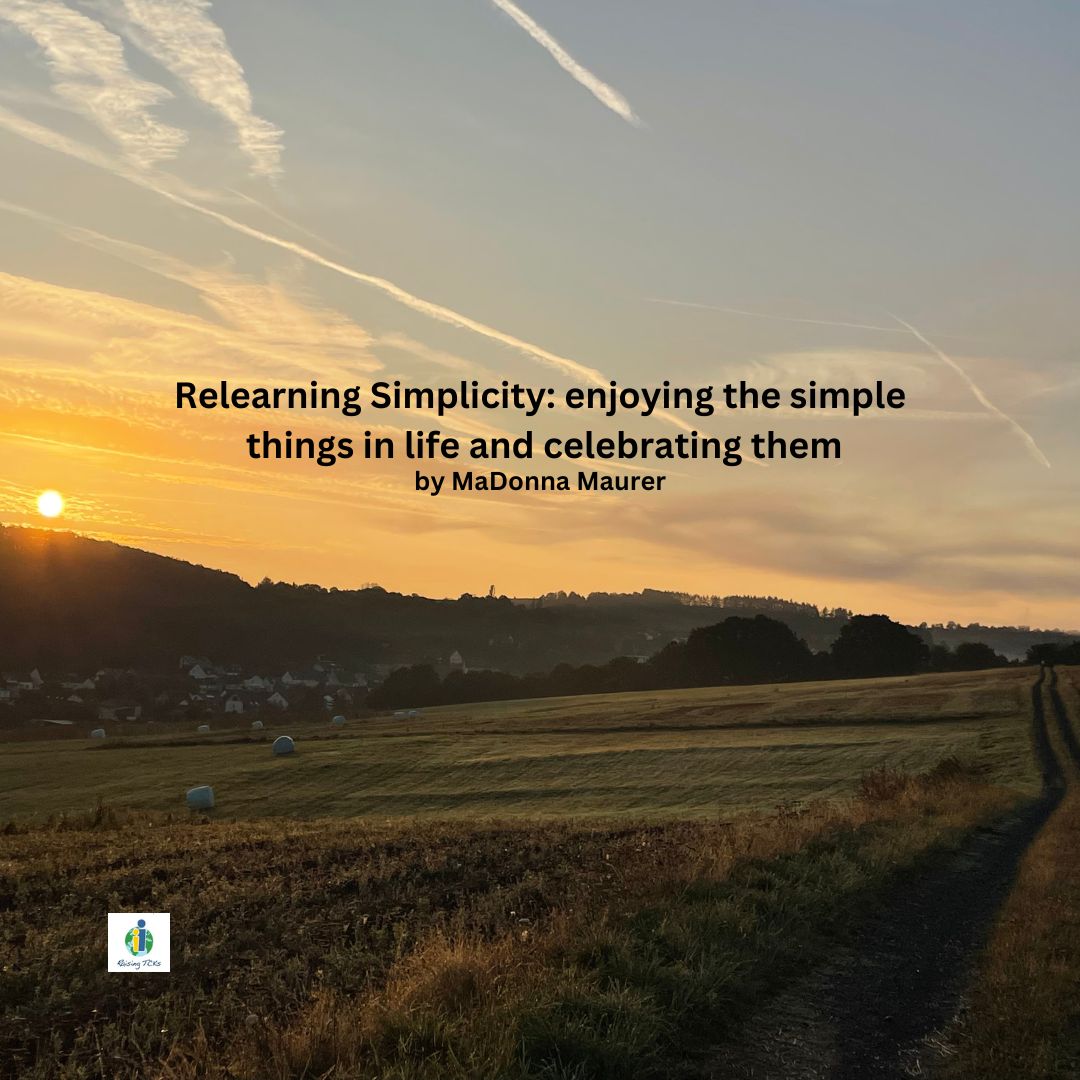
In 2014, I published a post on learning to be content with simple birthday parties because our middle child with special needs turned eleven, and I could not think of a single friend to invite to her party. You can read the rest of the article here. Recently, Matthea turned twenty-one while traveling from one country to another. Again we were in a situation where friends were scarce, but family was not. But, while in the midst of this, I was also reminded to enjoy and celebrate the simple things.
We celebrated her birthday four times. One with friends who are like family and three with family. Each had a different theme. But they all had cake, presents, and singing. If you have ever celebrated a birthday party with Matthea, you know that clapping will accompany the singing. Loud clapping.
This girl loves to celebrate.
At the small church we attend, when we visit family, they invite those with birthdays or anniversaries to come to the front while everyone sings. Every single Sunday, she raised her hand and giggled though it was not her birthday. But, when others went forward she began her sharp clap to her own beat of the song “Happy Birthday.” On the day it was her birthday, she jumped down the aisle with the clapping.
But she doesn’t need a birthday to celebrate.
Last week, we took a longer walk than we intended. We ended up climbing a steep path that wound its way up to the point where we could look out over the valleys on either side of the hill. It was difficult for her. She wanted to stop several times, but she made it to the top with some encouraging chant of her name.
The view was stunning, but to see her smile and give us fist bumps when we told her we were proud of her was priceless. She wanted a Kinder chocolate bar to celebrate.
As usual, I think we can learn from her – to celebrate birthdays with clapping, conquer hills with fist bumps and chocolate, and enjoy life’s simplest things.
Raising TCKs in lands that are not familiar to us has its challenges. If you have moved to a new location and just rounded the corner of living there for a month, I challenge you to celebrate that achievement.
If you’ve lived there a year and you notice your kids are now eating foods they would not try when you first got there or can order food at a restaurant. Celebrate!
If you are now able to read the road signs or understand the announcements on the public transportation, celebrate!
Celebrations do not need to be extravagant planned-out theme parties – though if you LOVE to do that, go for it. They can be a simple high-five with your kids, a special meal with the family, or even a simple piece of chocolate.
*Please note that I earn from qualifying purchases as an Amazon Associate. Please see the disclaimer at the bottom of the page.
Summary:
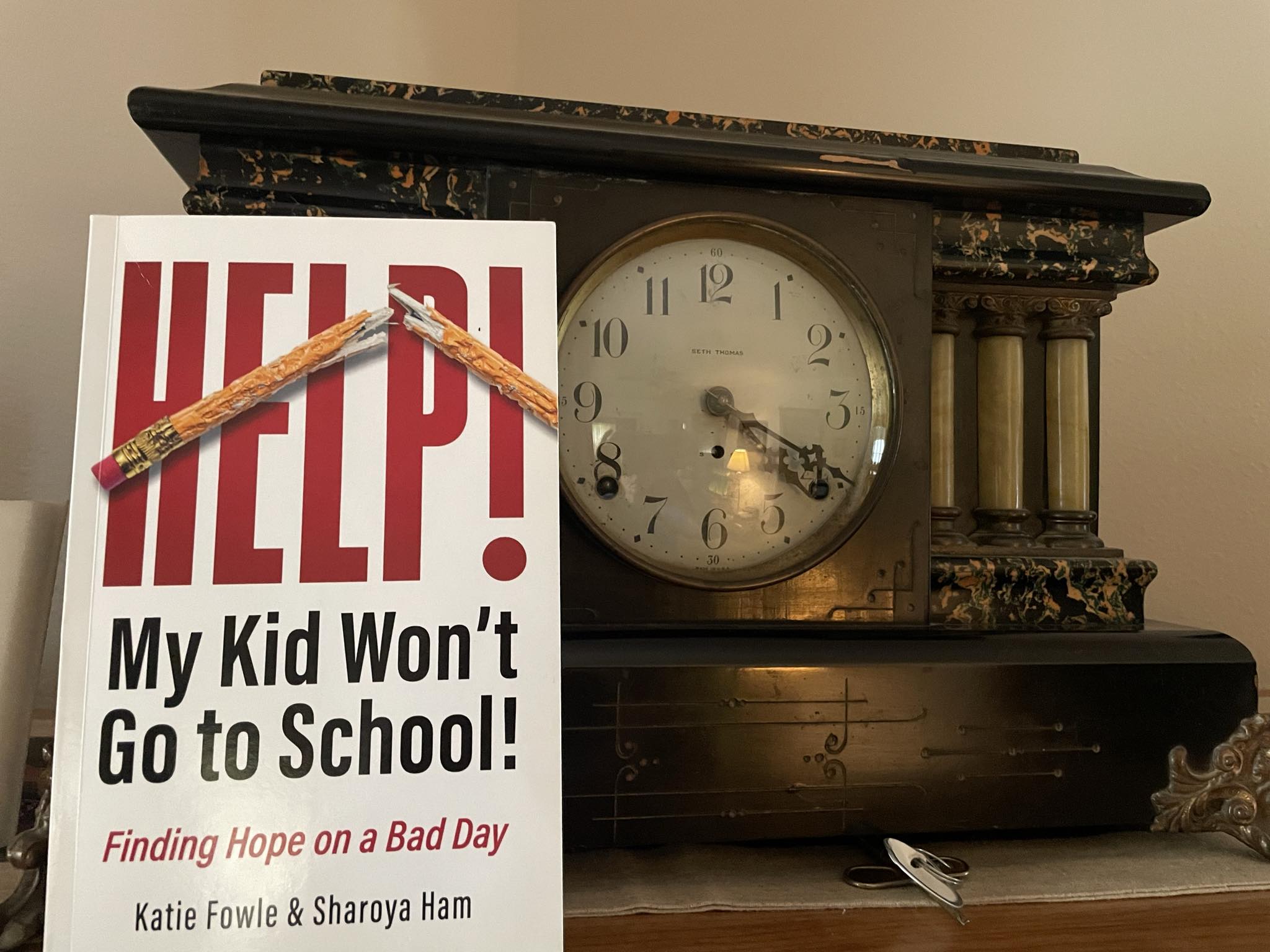
This short (102 pages) book explains what school refusal is and explains the background on why kids struggle with going to school. Fowle and Ham team up to write a book that not only gives the why but explains how some parents are unaware of how their reactions encourage children to not attend school. Fowle is the parent who struggled with this issue and her passion to help other parents from what she has learned is evident in this book. Ham’s experience and knowledge makes this a resource parents can begin using right away. They offer practical tips to use at home and how to work with the school to help children learn the skill of willingness. Each chapter has questions that help the reader plan and continue to move forward towards the goal. This book is for parents or caregivers of children that are 9+ years old.
Recommendation:
If you are struggling with school refusal in your home, then I do think this book would be helpful. It focuses on the importance of the relationship between the parent and child. I have read educational articles on school absenteeism, but this is the first publication I have read coming from the parent’s point of view. The articles I read were all based in the US, but I am sure there are expat parents who may also struggle with this issue and may feel alone and possibly hopeless. This book is practical and easy to read. The exercises and suggestions can be used right away. Though they do warn that this is a process of change and not a problem that can be fixed overnight. Fowle is an educator and dyslexia specialist who tutors expat children around the globe. Ham is a behavior specialist and international parent coach.
This article was first published on July 31, 2020, titled Transition Roller Coaster. I have reworked and updated it below.
Transitions. It is a rocky time for globally mobile families. You are up and then down. Tossed and turned. Some people like the thrill of rollercoasters. Some people do not.
Transitioning with all the unknowns, chaos, and goodbyes feels like a never-ending rollercoaster ride. And just as people have very different opinions about rollercoasters, each person in a globally mobile family will have different reactions during this time of transition.
So, what can you, as the parent or caregiver, do?
Be aware. Be aware of your own feelings and responses to those feelings. Observe how your body is responding to all the emotions you may be having. Is there tension in your shoulders? Headaches? Also, be aware that others may be acting out of response to anxiety, deep sadness, or even fear.
Choose Grace. Grace is a Christian word that basically means gift. Offer the gift of understanding when a young child throws a tantrum at the table. Give grace to your spouse when you find them “hiding” in a book, TV series, or a game. Giving grace sometimes means forgiving before it’s been asked for. Don’t forget to give yourself grace. It’s easy to be hard on yourself, but you need grace, too.
Communicate. When you are aware of your own actions and responses you can communicate with your family how you are feeling. You can ask for forgiveness when you’ve spoken in anger because of stress. You can ask how they are doing with this upcoming change. Use open-ended questions that do not allow for responses like “Okay,” “Fine,” or “It was good.” Ask “What are you going to miss the most?” or “How do you want to stay in touch with ______?” Remember though, that HOW you communicate is key – go back to #2 for guidance.
It’s easy to just close your eyes during a rollercoaster ride and not have the full experience. It’s also easy to just try to skip all of the parts of the transition to avoid the painful and hard moments, but it’s important to go through them. It’s important to process it all. Your mind and heart both need it.
So, I challenge you to hold on to that safety harness and force your eyes to stay open through all the dips, dives, and loops this transition rollercoaster brings.
*Please note that I earn from qualifying purchases as an Amazon Associate. Please see the disclaimer at the bottom of the page.
Summary:
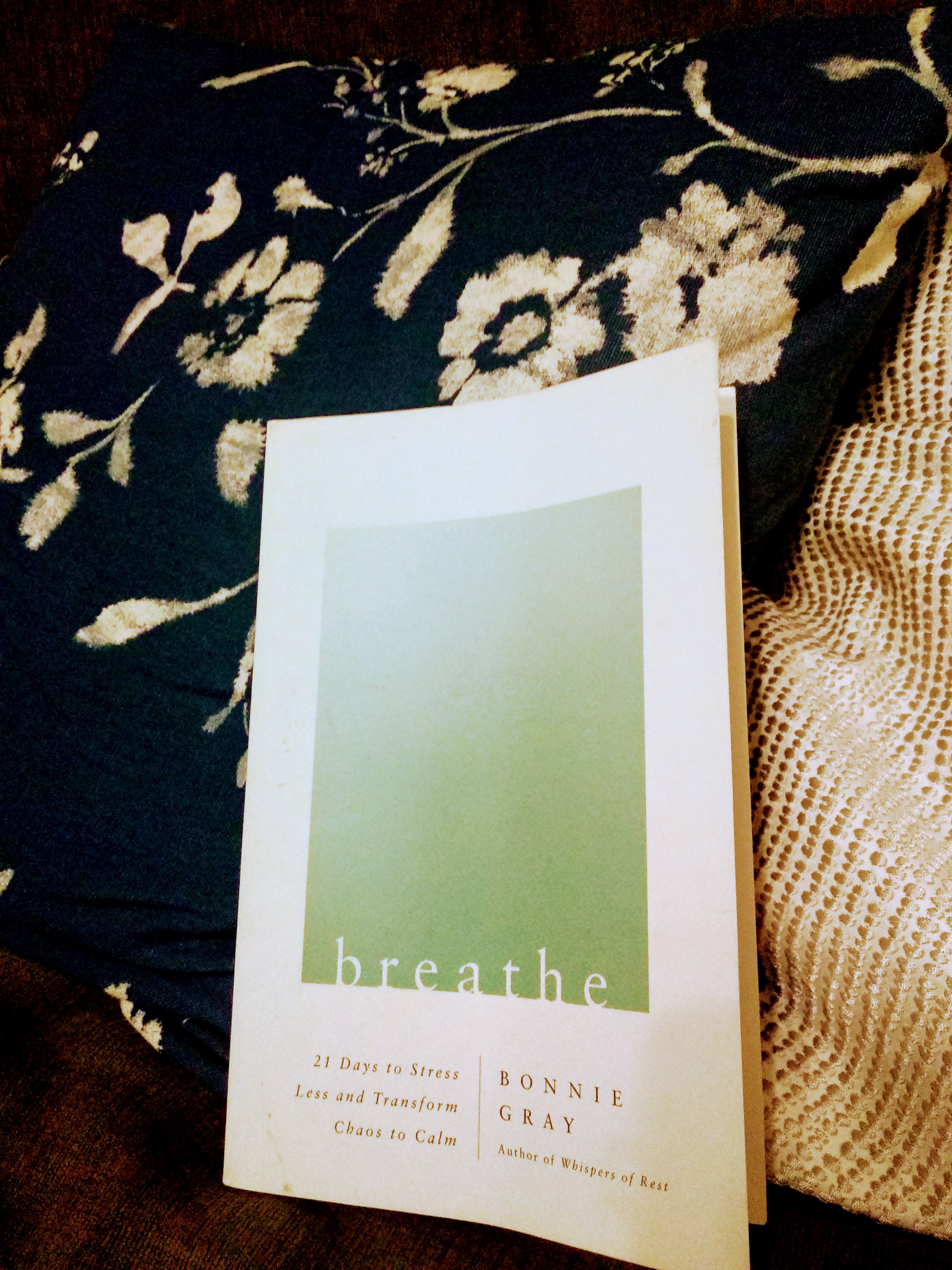
Bonnie Gray shares what she learned during a period of time when she was overwhelmed with life’s pressures that was stemmed from her childhood. She battled anxiety, depression, and panic attacks. Through scientific research and Biblical scripture, Bonnie developed a rhythm that she uses with her sons. She has also mentored “from Army officers to teenagers to every day moms and dads” (p. 13). This book is divided into four sections: Emotional Wellness, Physical Wellness, Spiritual Wellness, and Social Wellness. Each chapter also has four parts as well – Refresh, Release, Restore, and Reflect. But before you dive into the book, Bonnie invites you to take her free Soul Care Quiz. This will allow you to see which area you need to slow down in and work on.
Recommendation?
Living overseas brings about many transitions. And with transitions comes stress – anxiety, possible panic attacks, and maybe even some lows that need to be addressed. This book is a valuable tool for those who need to slow down but are unsure how. It offers an intentional, structured way to practice individually or in a small group. It is geared towards Christianity with the use of breath prayers. There is so many resources out there, but I found this one to have a good mix of science, Biblical based and practical.
*Please note that I earn from qualifying purchases as an Amazon Associate. Please see the disclaimer at the bottom of the page.
Summary
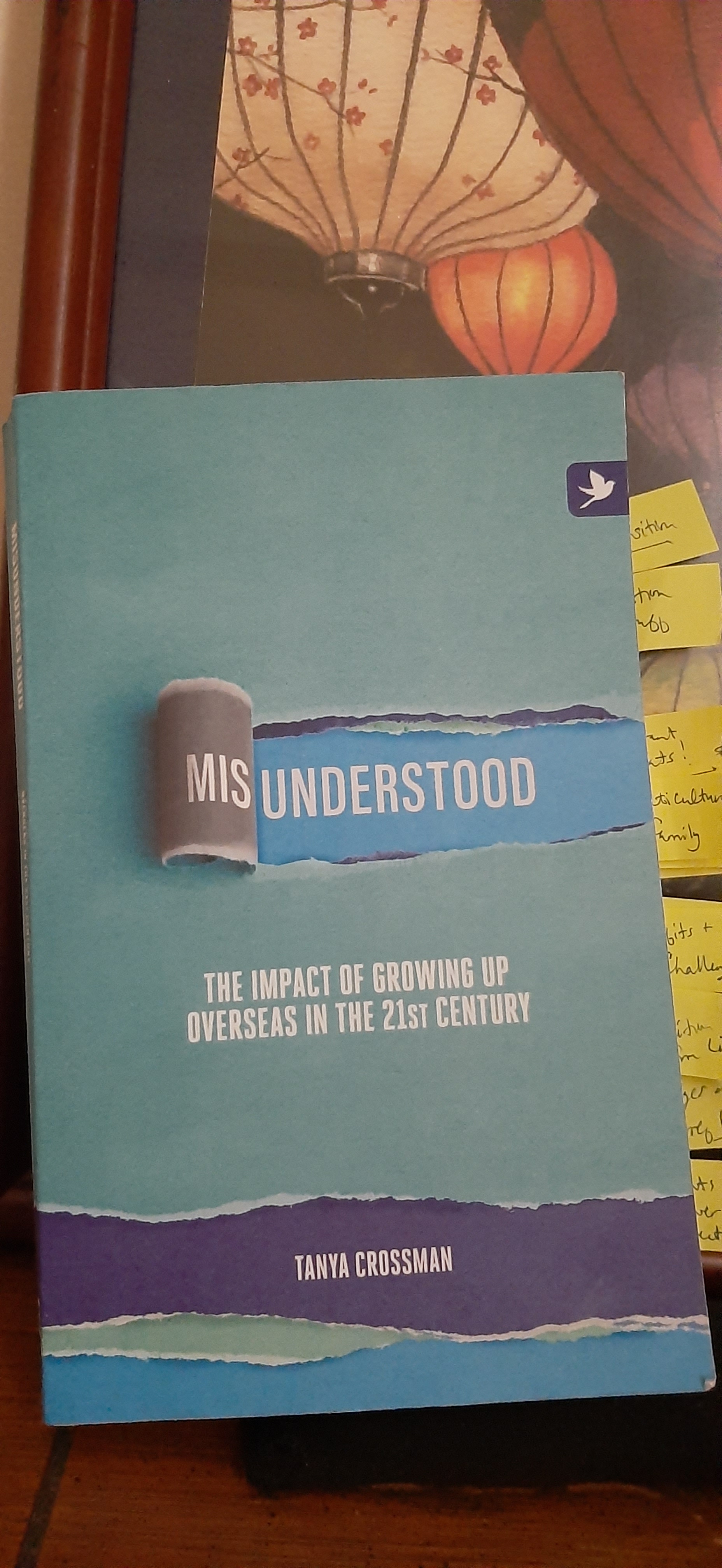
Misunderstood is a resource book for ATCKs, those who support TCKs, and those who are raising them. Tanya noticed differences between older ATCKs and those born after the 1980s. Through research and interviews, Tanya shares the insights she gained. This book is divided into six chapters. It covers the basics of TCKs and CCKs and how the definition is shifting somewhat. Tanya writes about the various experiences of TCK life from military to missionary, but also non-traditional to international education families. I appreciated this section as it is not always covered in other books that I’ve read.
Tanya spends a good deal of time on transition, grief, and starting over again..and again..and again. It is essential for anyone working with TCKs to understand the difficulties it can cause. The book ends with a chapter on what she titles “The Inner Lives of TCKs” and “The Future for TCKs.” Both chapters offer insights into TCKs of the 21st century and how they view life.
Why You Should Read This Book
Tanya has become known as a researcher of third culture kids (TCKs). She is currently the Director of Research for TCK Training. So, it’s no wonder this book is filled with statistics and quotes from many TCKs she interviewed. It is also filled with wisdom from other top researchers such as Doug Ota and Ruth Van Reken.
You can tell from all of my sticky notes that it is a good book. If you are seriously considering moving overseas with your child, even if you are an ATCK, this book is a rich resource. I also would recommend it to organizations who work with TCKs.
*Please note that I earn from qualifying purchases as an Amazon Associate. Please see the disclaimer at the bottom of the page.
In this book, Amy Young dives into what is known as “The Fruit of the Spirit” from Galatians 5:22-23. If you are unfamiliar with this phrase or this passage, here is a quick summary. Paul lists nine characteristics Christians have in Christ. This is not a devotional or a sermon, so I will not explain why Christians do not always produce or show these fruits well. Amy does a nice job with that. But, here are the fruit listed from the Galatians passage: love, joy, peace, patience, kindness, goodness, faithfulness, gentleness, and self-control. She also explains why Paul calls the nine the “fruit of the spirit” instead of “fruits.”
The book is divided into three sections. Amy shows how the first three characteristics mentioned point upward to our relationship with God. The second section focuses on the next three characteristics and how they reflect (or should reflect) towards others. The last section reveals how the last three characteristics relate to our self.
The book is easy to read, and the concepts are simple. Her audience is cross-cultural workers, but I see how it can be used for any Christian wanting to grow in their faith and knowledge of God. My only criticism is that I wish she had added some questions at the end of each chapter that would cause me to stop and reflect on my life. Instead, I felt like I had read the chapter, nodding in understanding and acknowledgment, but was not challenged to examine my life. Maybe if I had read this book with a group of others and discussed the concepts more, I would feel differently.
Overall, it is a good book if you want a basic understanding of Paul’s characteristics in Galatians. But, if you want to grow, I recommend reading it with a study group.
*Please note that I earn from qualifying purchases as an Amazon Associate. Please see disclaimer at the bottom of the page.
Grief is common to all humans. It is something we all experience at some point in our life. It does not matter if we are rich or poor, healthy or not, or what country or culture we come from. At some point in our life, we all will experience grief.
We often equate grief with death. And although death is a big season of grief, it is one of many reasons we experience grief. Grief comes because of loss. Of course, death is a significant loss – and so the grieving is deeper and harder. But grief also visits when a friend moves away, or we move, or when we lose a job, or [you fill in the blank].
This workshop is a course in grief processing. Specifically, Lauren instructs the viewer about her model of grief – The Grief Tower. I have reviewed two books that she wrote about the Grief Tower Model. (And she has a new book coming out in March that you can pre-order here). I have also reviewed the other video for someone who is in current grief. If you are currently going through something hard, I highly suggest you read my review and check out that 35-minute video to help you process that “block” on your grief tower.
If you do not know what a “block” is or what the Grief Tower Model is, AND you are not currently processing deep grief, then keep reading.
Unstacking Your Grief Tower 101 is a 60-minute workshop teaching the Grief Tower Model. Lauren takes you through the theory behind this. But she also guides you to process a less heavy block on your own grief tower. I found the step-by-step process easy to follow and a good way to practice using the model. This workshop will help you process for yourself and help someone else process their own block(s) as well. I appreciated this workshop because Lauren talked through visceral signs to look for in yourself or the person you are working with to know when to pause and take a break.
As always, Unstacking Company warns that this workshop should never take the place of therapy. Seek help from a counselor.*
*I am a short-term counselor if you do not know where to find one. Please reach out by email or go to my company’s website, Global Crossroads Consulting. I do offer a 30-minute free consultation.
*Please note as an Amazon Associate, I earn from qualifying purchases.
Serving Well is a compilation of short articles and blog posts that Elizabeth and Jonathan wrote during their time in SE Asia and after their return to the States. It is organized in such a way that readers can easily find topics that apply to what they are looking for. In fact there are eleven sections: Preparing Well, Moving Well, Grieving Well, Talking Care of Your Heart Well, Taking Care of Your Marriage Well, Taking Care of Your Children Well, Working Well, Anticipating Well, Recalculating Well, Communicating Well, and Returning Well. The book really covers from preparing to leave to returning and everything in between.
Neither author expected to be writers, but they have developed the craft of writing and produced a book that is a useful resource for any family about to embark on this journey of living overseas. My only critique was that they had an article titled, “A Letter to Singles” that was directed to single women missionaries, not all singles. I do think that if they ever write a second edition, adding some articles to each section for singles would be make this book a valuable resource for any mission organization or member care team.
Overall, I do recommend it for families living abroad.










 raisingTCKs