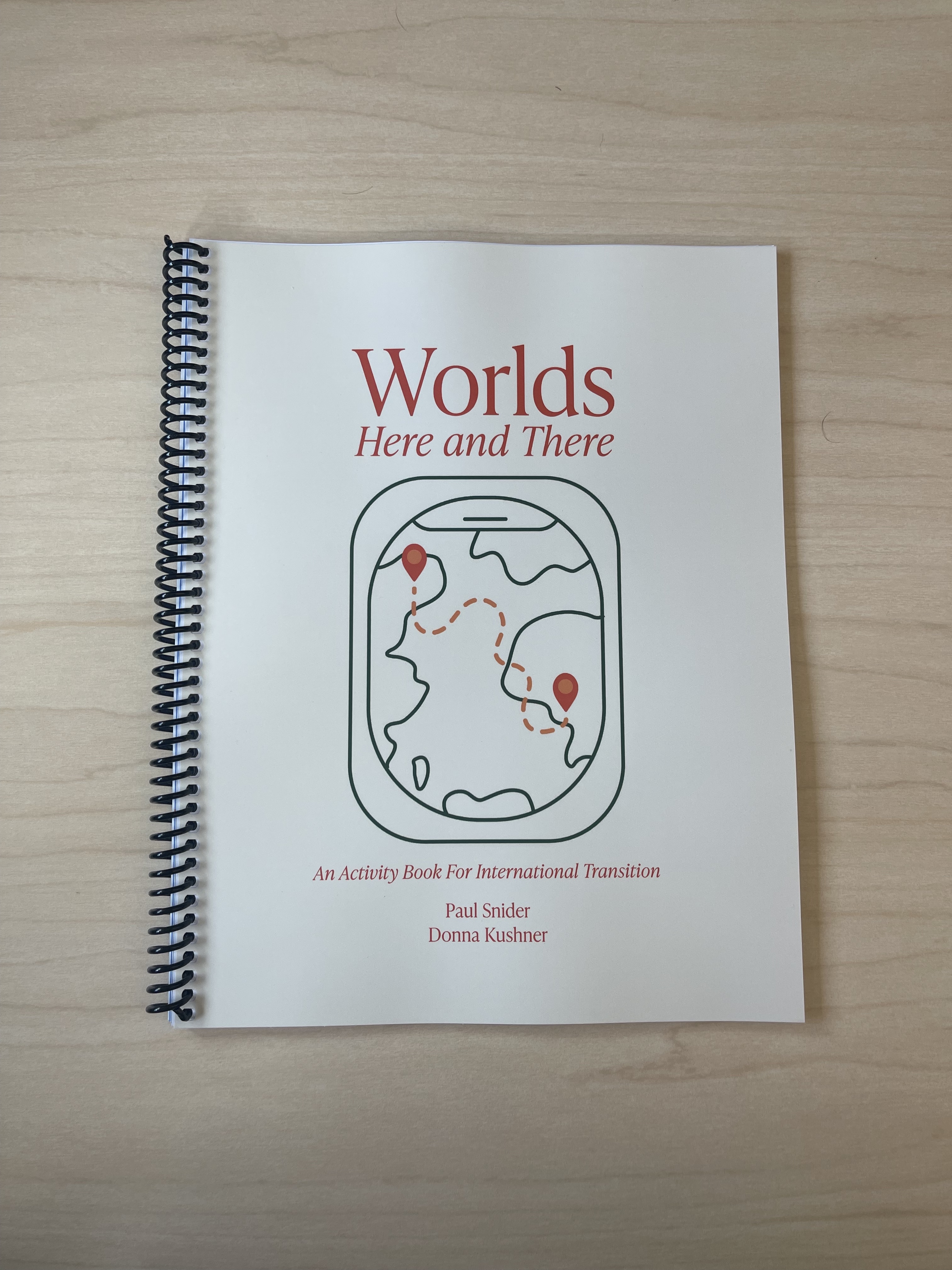
Book Reveiw: WORLDS HERE AND THERE by Paul Snider and Donna Kushner

World Here and There: An Activity Bood for International Transition

Written by Paul Snider and Donna Kushner Designed by Josephine Loh

Published: 2025

Summary

WORLDS HERE AND THERE is an activity book to help individuals and families during their transition. It provides activities and questions for processing – like naming the losses and recalling the memories. It can be used for re-entry to the passport country, for long home assignments, or for a brand new move. It is divided into several parts. One gives you a guide map on how to use the book – with a family, with a team, or individually. Another is the activities for the “Here” and “There” parts of the transition. There is a reflection section that takes the previous processing a little deeper. And ends with some suggestions for what to do next, along with resources that can be helpful as well.

Recommendation

I received an advanced reader copy (ARC) in digital form, so I cannot comment on the physical quality of the workbook. But seeing that it is spiralbound, which to me means that pages won’t fall out, is a HUGE positive. I know many spiral-bound books can be drab, but not this one. The pages are colorful and quite pleasant to look at. The design allowed white space for the participants to write or draw in the book. What I really liked about this book is that a family would only need to order ONE book for the family. This cuts the cost which is always a plus. Also, only having to pack one book is super helpful with limited space. And this is a book you would want to take with you to the next place.

I would recommend it for families preparing for a transition, but also for anyone who facilitates transition debriefs for families or groups.

Book Review: STAYING WELL ACTIVITY BOOK by Claire Holmes

Staying Well Activity Book: Practical Activities to Support Children Aged 7-12 Whose Best Friend is Leaving + Facilitator’s Guide

by Claire Holmes

Genre: Processing Guide for Ages 7-12

Published: 2025

Summary:

Claire Holmes’s new activity book is for younger TCKs or any child who has said goodbye to their best friend. This activity book is the third one on transition that she has written. The first two were from her Moving On Series, Arriving Well and Leaving Well. The structure of this book is similar to the other two books but has activities geared towards the Stayer. Claire uses each letter from the word “TRUST” to help the child “grow [their] TRUST and cope in the best way” (p. 6).

Recommendations:

Claire is a school counselor at an international school in Singapore, where her knowledge of transition and trauma gives her wisdom in writing this activity workbook. Like the other two books, her facilitator’s guide is written like a well-thought-out teacher plan. The instructions are clear, with example questions for discussion, illustrations of each activity page, and alternative ideas to use with the activity. I recommend this to schools, those working with TCKs regularly, and any family who wants to help their child process their best friend leaving. 

*Please note that I earn from qualifying purchases as an Amazon Associate.

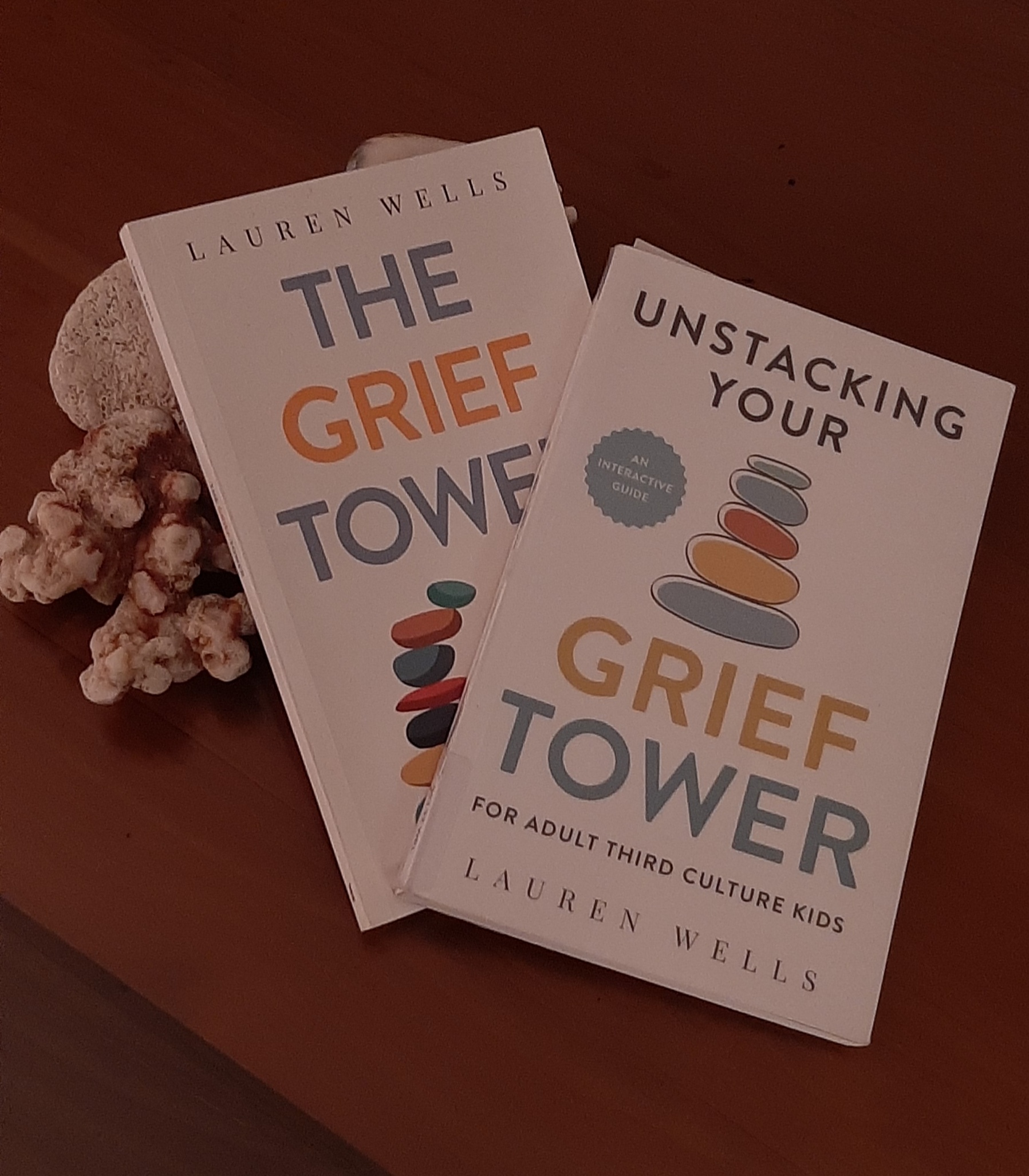
Book Reviews: THE GRIEF TOWER & UNSTACKING YOUR GRIEF TOWER by Lauren Wells

THE GRIEF TOWER: A practical guide to processing grief with third culture kids

Published: 2021

UNSTACKING YOUR GRIEF TOWER for adult third culture kids

Published: 2021

Both books were written by Lauren Wells.

*Please note that I earn from qualifying purchases as an Amazon Associate. Please see disclaimer at the bottom of the page.

Summary:

Lauren Wells is the CEO of TCK Training and the Unstacking Company. The TCK life is an ampersand where life is both exciting and hard. As a TCK and working with a number of TCKs, she found that processing grief and loss was hard work. She also noticed a gap in the care for TCKs and started to fill that gap with her book, Raising up a Generation of Healthy Third Culture Kids. Soon after, she released her books based on the Grief Tower Model that she developed. This model is to help process grief and loss.

THE GRIEF TOWER

This book is only 84 pages long. The chapters are short and easy to read. It is the theory behind the Grief Tower Model. Lauren offers clear understanding with practical suggestions to help TCKs process their own grief and loss. I appreciate this book as it breaks up the ideas for younger and older TCKs and how to relate to each group. It is a good book if you are curious about a grief model that looks at the life of TCKs. But if you plan to use the model with others, I highly recommend taking one of TCK Training’s workshops on debriefs or transitions.

UNSTACKING YOUR GRIEF TOWER

This is a practical guide for adult third-culture kids (ATCK), not children. It complements the book THE GRIEF TOWER, but you would not necessarily need to read it first. Lauren spends time in the introduction explaining the whats and whys behind this model. Each chapter guides you in processing your grief tower by asking questions or providing activities to work through. It can be done individually, or it could be done in a group where individuals share and move along together. This would need to be a “safe” space with guided rules of conduct, but processing grief with others can be healing. The Unstacking Company also offers a guided video workshop called Unstacking Your Grief Tower 101 led by Lauren. They also offer a workshop Processing Current Grief. Both workshops can be found here.

Both books warn that they are for educational purposes and not to be a substitute for “professional medical advice, diagnosis, or treatment.”

Book Review: BELONGING BEYOND BORDERS by Megan C. Norton

BELONGING BEYOND BORDERS: How Adult Third Culture Kids Can Cultivate a Sense of Belonging

by Megan C. Norton

*Please note as an Amazon Associate I earn from qualifying purchases.

This is a good resource/workbook for any young adult about to go into adulthood, but especially for TCKs. Megan is the daughter of a US diplomat, so she understands the ins and outs of being a TCK. She has taken time to write about what she has learned from experience, but also through research to help adult TCKs thrive in adulthood.

As human beings we all have the desire to belong; to know and be known. Megan explains how finding community and growing roots in that community is the key to belonging. She gives practical examples of how to do this. She acknowledges that before one can really be known by others, they must really know their own identity. She allows for the reader to look past their identity of being a “third culture kid” to explore explore their values and to realize their own core identity. Through this I feel she helps to normalize the confusion of wanting community, but feeling lost in how to get it. Throughout the book, Megan uses the analogy of a garden. This analogy is more then just “growing deeper roots”. She uses the science behind some gardening techniques used by avid gardeners to explain her points. And she does it in a way that the reader does not need to be a gardener to understand. I feel this quote from the end of the book reveals the heart of the book, “Gardens are places where you can bury your troubles, griefs, and pain and grow beautiful, new life. Gardens become (re)generative spaces that offer healing and harmony” (p. 291).

Book Review: NAVIGATING GLOBAL TRANSITIONS AGAIN by Frances Early, Jeni Ward, and Kath Williams

Navigating Global Transitions Again: A Journey of Faith – Graduate Planner

by Frances Early, Jeni Ward, and Kath Williiams

*Please note as an Amazon Associate, I earn from qualifying purchases.

Like the title says it is a journey of faith by taking the soon to be graduate on a study of Galatians and relating it to where they are in life. The scripture is printed out on the pages and followed by questions that can be answered by the reader. This is nice as the reader does not need to look up Scripture and we all know that time is precious for those in this age group.

It is also a planner that starts twelve months before graduation and ends twelve months after. There are check lists of things to think through and do, but also discussion questions or processing questions to help the graduate during this time. The authors note that this can be done as an individual or in a group.

While I think the idea is great and needed (and I’ll be buying one for my soon to be graduate because I got an advanced e-copy), I think it is lacking for an individual to do alone. Most of the questions need to be discussed because this is a new area for the student and sometimes the parent. I think that some of the suggestions need to be explained a bit more in detail to help clarify what the authors want to convey. That being said, a well prepared mentor could use this book to lead and guide graduates in helping them transition.

I also have questions about some of the suggestions for the months before. I’m not sure twelve months before they leave that graduates can find a “bridge” person (if they know what that term means) because most students at this point do not even know which university or program they will choose, let alone what city, state, country. As I have talked with soon to be graduates, they are nervous and feel enough pressure as it is, especially those that really do not know what is next. So, while the checklists are great, a well prepared mentor would be able to help individuals navigate this unknown world a bit better.

There are some great activities for the graduate to do to help them build their RAFT. There are photo suggestions and places to draw maps. In fact, I do love that they have pages called “Wreck this Journal Page” where anything goes. In fact, they have a lot of blank spaces for processing and making notes.

Overall, I think the book has potential to be a good resource for counselors or mentors who work with students in their final year of high school or first year out. It is also a good resource for parents to help think through and have conversation starters. As for individual use, I do think there are a few individuals who could do it, but discussions are always better within a group.

Picture Book Review: WHEN WE CALLED MYANMAR HOME by Julie Jean Francis

When We Called Myanmar Home

by Julie Jean Francis

Genre: Picture Book

Published: 2023

*Please note as an Amazon Associate, I earn from qualifying purchases.

Julie writes that this book “was inspired by Cynthia Rylant’s book When I Was Young in the Mountains.” Each page shows a day living in Myanmar before the family had to leave. The photos are captured in a watercolor-type feel, which makes the book not feel like you are looking at someone’s scrapbook or digital photo album. It adds to the creative side of thinking about your life and how you live in your home.

Julie has added a few pages at the end, which is a bonus to the book. She has questions that can be used as conversation starters with your children. These questions accompany the previous pages to help you talk about your home. And there are questions to help your child(ren) process that time during the pandemic. The last page lists resources for parents of third-culture kids, which is also a nice touch.

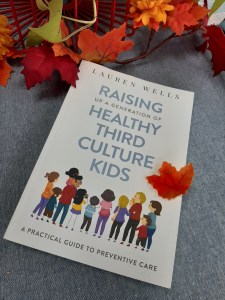
Book Review: RAISING UP A GENERATION OF HEALTHY THIRD CULTURE KIDS by Lauren Wells

RAISING UP A GENERATION OF HEALTHY THIRD CULTURE KIDS

by Lauren Wells

Published: 2020

Genre: Nonfiction, Resource

*Please note as an Amazon Associate I earn from qualifying purchases.

Review: 

Lauren Wells created a resource book for parents using her experience and knowledge of third-culture kids. This book takes what encompasses moving and living overseas for children and puts those ideas into a practical guide. Lauren deals with leaving well, unresolved grief, identity, restlessness, and trauma, to name a few of these ideas. 

My Thoughts: 

If you are moving to a country other than your own with kids, you should own this book. Lauren has some great ideas to consider as your children process the move. It is an excellent bridge to understanding the world that your children will experience. It helps you engage in meaningful conversations to help them navigate all the emotions and feelings that they may go through. For me personally, this book was not as helpful. My children were born in Asia and have never lived in their passport countries. I know that TCKs have many of the strengths and challenges others have, but many chapters deal with children leaving their passport country. So, I didn’t find all the chapters applicable to our situation. With that said, I am glad I bought the book because it is a good resource. It has caused me to ponder some of the issues and helped me to start conversations with my teenage TCKs.

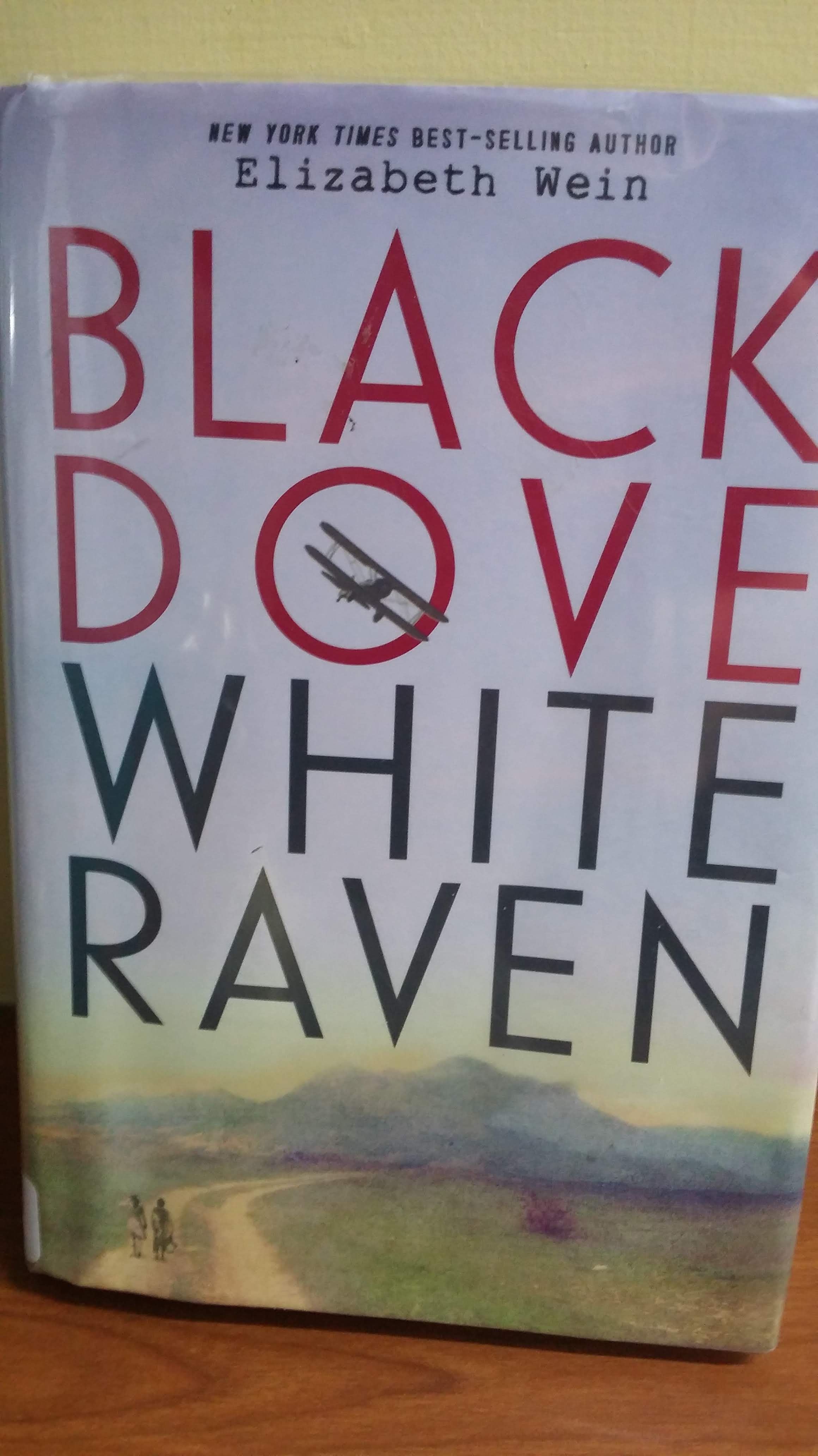
Book Review: BLACK DOVE WHITE RAVEN by Elizabeth Wein

BLACK DOVE WHITE RAVEN

by Elizabeth Wein

Published: 2016

Audience/Genre: Young Adult Historical Fiction

*Please note as an Amazon Associate, I earn from qualifying purchases.

20190106_100135

Summary:

Teo and Emilia have been friends from birth. After a bird strike during a flying stunt performance by their mothers, they become siblings. Em’s mother wants to follow her late best friend’s wishes: to raise Teo in a country where the color of his skin won’t judge him. She believes that the best place is the country where Teo’s father was from – Ethiopia. Here, she can raise her white daughter alongside her adopted black son in the peaceful countryside. But as the setting is in the 1930s, Italy is ready to invade, and war brews. And both children, now in their teens, must decide about home and loyalty.

My Take:

This book has so many layers to it. It is a TCK/CCK book. Teo is half Ethiopian, and Emilia is half Italian. There are inner struggles of “home,” which is something most TCK/CCKs understand. Ms. Wein weaves prejudice into the lives of the children but also into the lives of their mothers. It is just a good book that will make you think deeper about issues that are relevant today. As I read Elizabeth Wein’s bio, I realized that she understands the problems of TCKs because she was raised abroad and is now living abroad as well. I highly recommend this book because of the TCK/CCK issues that Ms. Wein attempts to tackle and because it deals with relevant topics today.

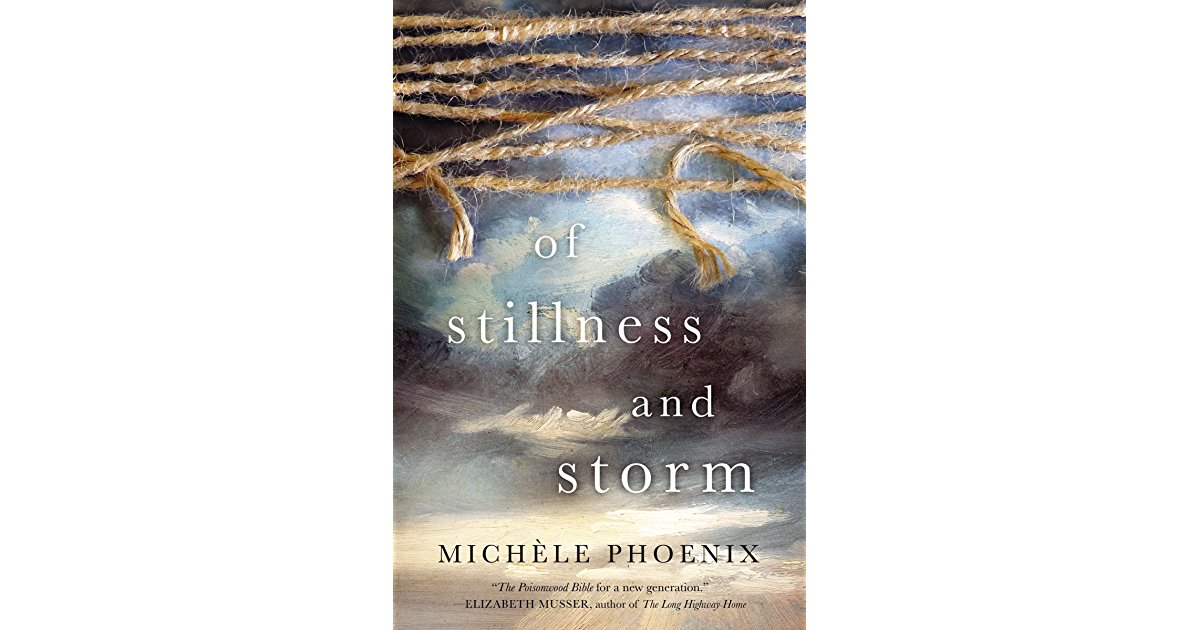
Book Review: OF STILLNESS AND STORM by Michèle Phoenix

OF STILLNESS AND STORM: a novel29492092-_sr1200630_

by Michèle Phoenix

Published: 2016

*Please note as an Amazon Associate, I earn from qualifying purchases.

Summary:

Sam and Lauren sell everything they own in the US to move to Nepal. It has been their dream to share the gospel with the distant tribes of the world. But it wasn’t their son’s dream. Sam treks the mountains for weeks at a time. He comes home tired and smelly but doesn’t want any luxuries because many in Nepal live in worse conditions. Lauren’s sense of adventure soon flattens after their move as she bumps along daily to a job she doesn’t like, fights a losing battle with the electricity, and watches her son slowly change from a fun and happy kid to a teen who just exists and resents her for everything. As the situation tenses on the home front, Lauren has an online encounter with a friend from her past. Her isolation leads to disillusionment, and things come crashing around her.

My Thoughts:

One of the reviews I read compared this book to THE POISONWOOD BIBLE, and I agree. Both stories drew up some deep emotions in me. With that said, if you experienced emotional trauma as a child, this book could be a trigger. So, read with caution.

 Michèle Phoenix is an MK (missionary kid) and has worked with MKs for many years. Her expertise and her personal experience give this story the raw emotions many who work overseas do not want to face. It asks the hard questions indirectly by watching this family try to survive while doing what they believe the Lord has called them to do.

I know that not everyone who reads this blog is a Christian, but the issues/themes in this book can be related to anyone who is trying to raise their family in a different culture than their own. Often, the children may not feel they have a choice in moving.

The Transition

The word transition means different things to different people. For instance:

  • Parents bring home their newborn from the hospital
  • Freshman in college (or high school)
  • Soldier returning home from deployment
  • Family moving to a new country
  • Summer to Fall
  • Summer holiday to “Back to School”

Though, expats and TCKs relate the word with “good-byes”, new countries, and new friends, I’m going to talk about that yearly transition from summer holidays to returning back to school. It is an adjustment – for everyone involved.

For the parents: It’s the return of the SCHEDULE – either homeschool or taking them back to local or international school. Either way, we don’t hear the constant two words, “I’m Bored”. Okay, maybe if you’re like a super Pinterest mom and don’t deal with this issue skip this section, I’m not talking to you. If you are like me…well, I’m still trying to “enjoy the summer,” but I’m ready for everyone to get on a regular schedule.

The kids: You remember. Come on, I know you do. Sleeping in just a little bit later (or a lot later) than school days. Swimming, snacking, playing with friends, and swimming some more. That first morning of school was like being thrown in an Arctic Plunge swim. It shocked your system and was just not a pretty site. Times haven’t changed – it’s tough for our kids, too. Okay, my kids can’t wait to see their friends All Day Long, but they are NOT looking forward to early wake-ups and the dreaded homework.

So, what can we do to help them?

  • Start waking them up earlier. It doesn’t have to be the exact time, but definitely maybe trying for a half hour difference. This doesn’t have to be done weeks in advanced either – just a few days before to help their bodies start to adjust.
  • Earlier Bedtimes – This goes hand-in-hand with the above. Same rules, a week before or a few days put kids to bed at their normal “school night” bedtime.
  • Review Math Skills – This tip is more for elementary school aged children, but buy flashcards and a few weeks before school starts have your kids review them. Their brain has had a break, hopefully, so now is a good time to help them “think” school.
  • Reading – If you haven’t had them reading at all this summer, then start. This year we actually are paying our kids to read. They are getting a set amount per book they read and record on their chart. It was an incentive to READ – and I’m afraid that it may just have hurt our pocketbooks, but totally worth it!
  • Collect Meal Ideas/Make a Meal Chart – This one is for the cook in the home. I’ve found that when I take the time to make out a two-week meal plan that I actually feed my kids healthier and spend less money at the grocery store. It’s fairly easy to do this at the beginning of the year, but think about doing 4-6 of these charts and rotate them throughout the year.

What do you do with your children? Do you help prepare them? Do you just “throw them into the Arctic Plunge?” Please share in the comments below. Me? I’ll be doing some of it…I’d like to get to the meal plan, but that all depends on how I do with my lesson plans. Remember…I’m not the super Pinterest mom, though I so wish I was.