Book Review: Help! My Kid Won’t Go to School!

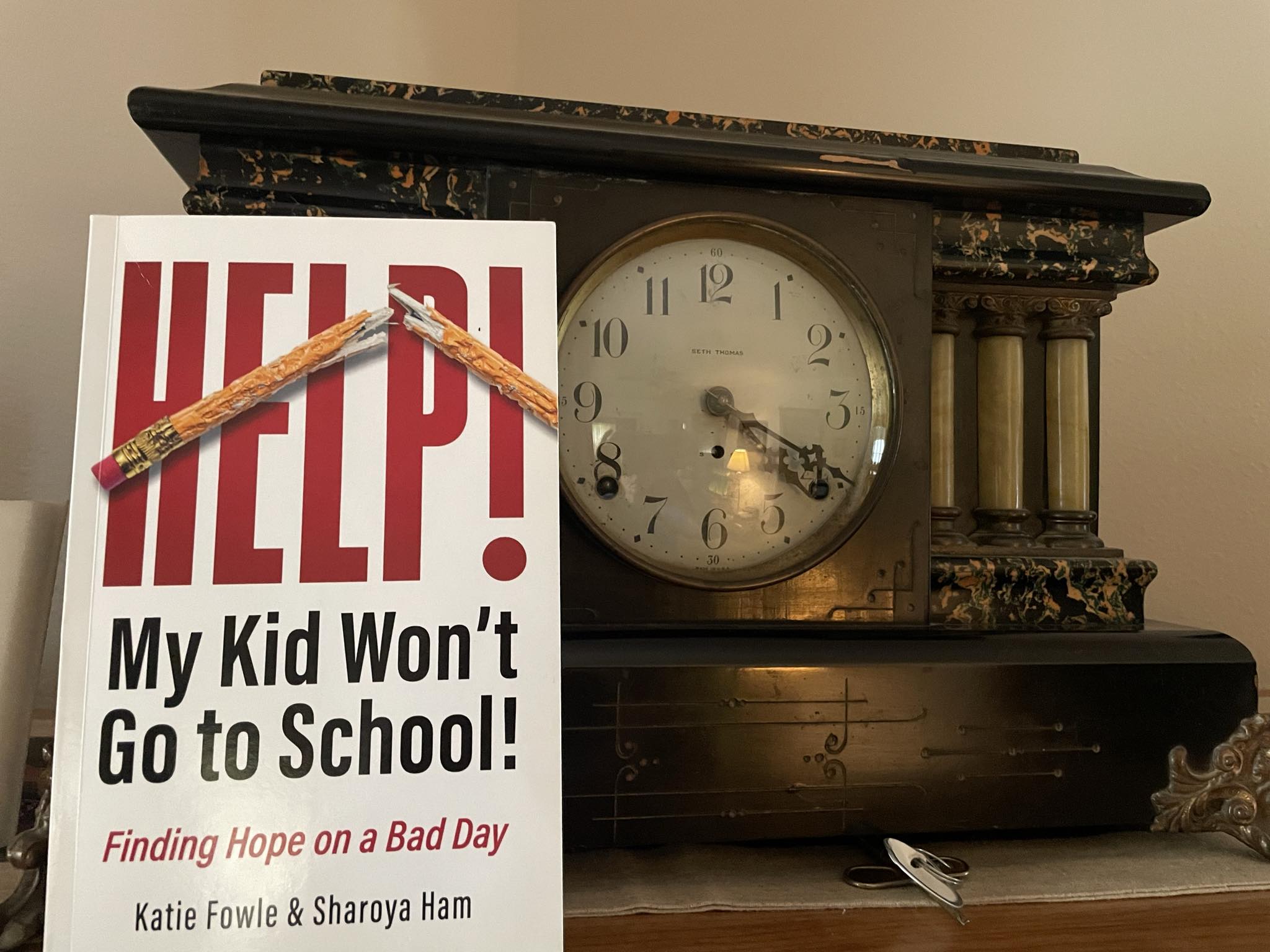
Help! My Kid Won’t Go to School! Finding Hope on a Bad Day

by Katie Fowle and Sharoya Ham

Published: 2023

*Please note that I earn from qualifying purchases as an Amazon Associate. Please see the disclaimer at the bottom of the page.

Summary:

This short (102 pages) book explains what school refusal is and explains the background on why kids struggle with going to school. Fowle and Ham team up to write a book that not only gives the why but explains how some parents are unaware of how their reactions encourage children to not attend school. Fowle is the parent who struggled with this issue and her passion to help other parents from what she has learned is evident in this book. Ham’s experience and knowledge makes this a resource parents can begin using right away. They offer practical tips to use at home and how to work with the school to help children learn the skill of willingness. Each chapter has questions that help the reader plan and continue to move forward towards the goal. This book is for parents or caregivers of children that are 9+ years old.

Recommendation:

If you are struggling with school refusal in your home, then I do think this book would be helpful. It focuses on the importance of the relationship between the parent and child. I have read educational articles on school absenteeism, but this is the first publication I have read coming from the parent’s point of view. The articles I read were all based in the US, but I am sure there are expat parents who may also struggle with this issue and may feel alone and possibly hopeless. This book is practical and easy to read. The exercises and suggestions can be used right away. Though they do warn that this is a process of change and not a problem that can be fixed overnight. Fowle is an educator and dyslexia specialist who tutors expat children around the globe. Ham is a behavior specialist and international parent coach.

Book Review: BREATHE by Bonnie Gray

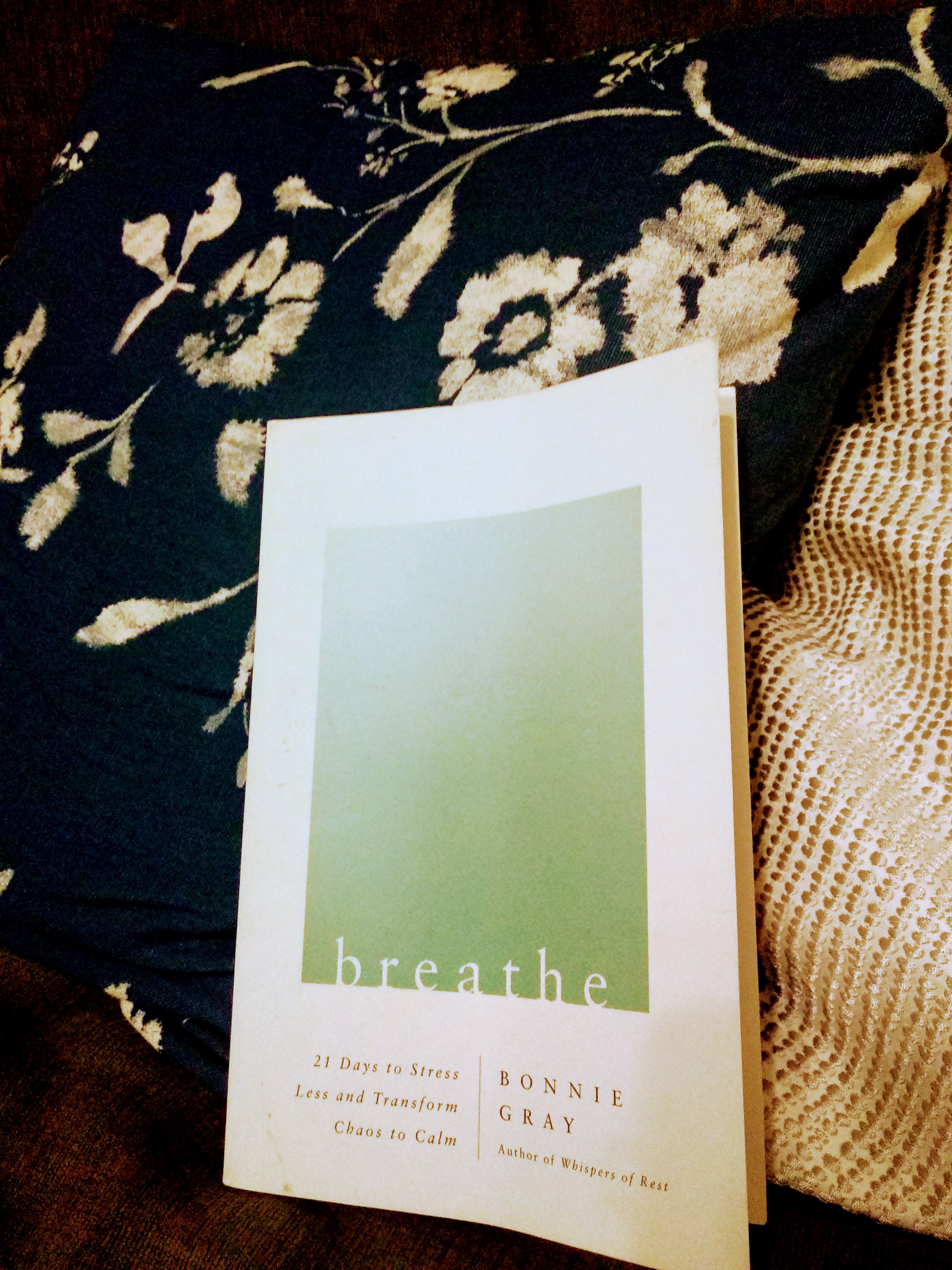
BREATHE: 21 Days to Stress Less and Transform Chaos to Calm

by Bonnie Gray

Published: 2023

*Please note that I earn from qualifying purchases as an Amazon Associate. Please see the disclaimer at the bottom of the page.

Summary:

Bonnie Gray shares what she learned during a period of time when she was overwhelmed with life’s pressures that was stemmed from her childhood. She battled anxiety, depression, and panic attacks. Through scientific research and Biblical scripture, Bonnie developed a rhythm that she uses with her sons. She has also mentored “from Army officers to teenagers to every day moms and dads” (p. 13). This book is divided into four sections: Emotional Wellness, Physical Wellness, Spiritual Wellness, and Social Wellness. Each chapter also has four parts as well – Refresh, Release, Restore, and Reflect. But before you dive into the book, Bonnie invites you to take her free Soul Care Quiz. This will allow you to see which area you need to slow down in and work on.

Recommendation?

Living overseas brings about many transitions. And with transitions comes stress – anxiety, possible panic attacks, and maybe even some lows that need to be addressed. This book is a valuable tool for those who need to slow down but are unsure how. It offers an intentional, structured way to practice individually or in a small group. It is geared towards Christianity with the use of breath prayers. There is so many resources out there, but I found this one to have a good mix of science, Biblical based and practical.

Book Review: LOST COLONY by Tonio Andrade

Subscribe to continue reading

Subscribe to get access to the rest of this post and other subscriber-only content.

Book Review: MISUNDERSTOOD by Tanya Crossman

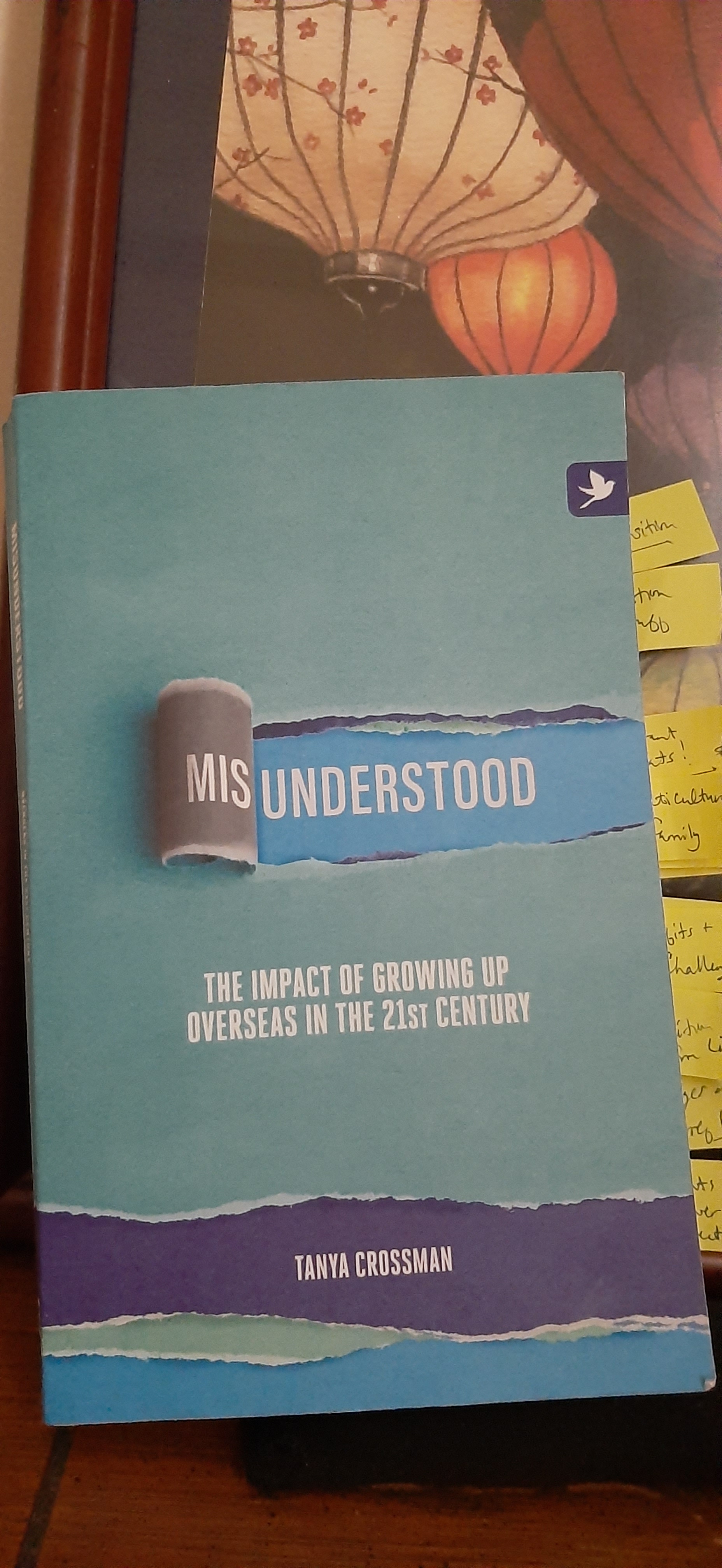
MISUNDERSTOOD: The impact of growing up overseas in the 21st century

by Tanya Crossman

Published: 2016 by Summertime Publishing

*Please note that I earn from qualifying purchases as an Amazon Associate. Please see the disclaimer at the bottom of the page.

Summary

Misunderstood is a resource book for ATCKs, those who support TCKs, and those who are raising them. Tanya noticed differences between older ATCKs and those born after the 1980s. Through research and interviews, Tanya shares the insights she gained. This book is divided into six chapters. It covers the basics of TCKs and CCKs and how the definition is shifting somewhat. Tanya writes about the various experiences of TCK life from military to missionary, but also non-traditional to international education families. I appreciated this section as it is not always covered in other books that I’ve read.

Tanya spends a good deal of time on transition, grief, and starting over again..and again..and again. It is essential for anyone working with TCKs to understand the difficulties it can cause. The book ends with a chapter on what she titles “The Inner Lives of TCKs” and “The Future for TCKs.” Both chapters offer insights into TCKs of the 21st century and how they view life.

Why You Should Read This Book

Tanya has become known as a researcher of third culture kids (TCKs). She is currently the Director of Research for TCK Training. So, it’s no wonder this book is filled with statistics and quotes from many TCKs she interviewed. It is also filled with wisdom from other top researchers such as Doug Ota and Ruth Van Reken.

You can tell from all of my sticky notes that it is a good book. If you are seriously considering moving overseas with your child, even if you are an ATCK, this book is a rich resource. I also would recommend it to organizations who work with TCKs.

Book Review: BEING ELISABETH ELLIOT by Ellen Vaughn

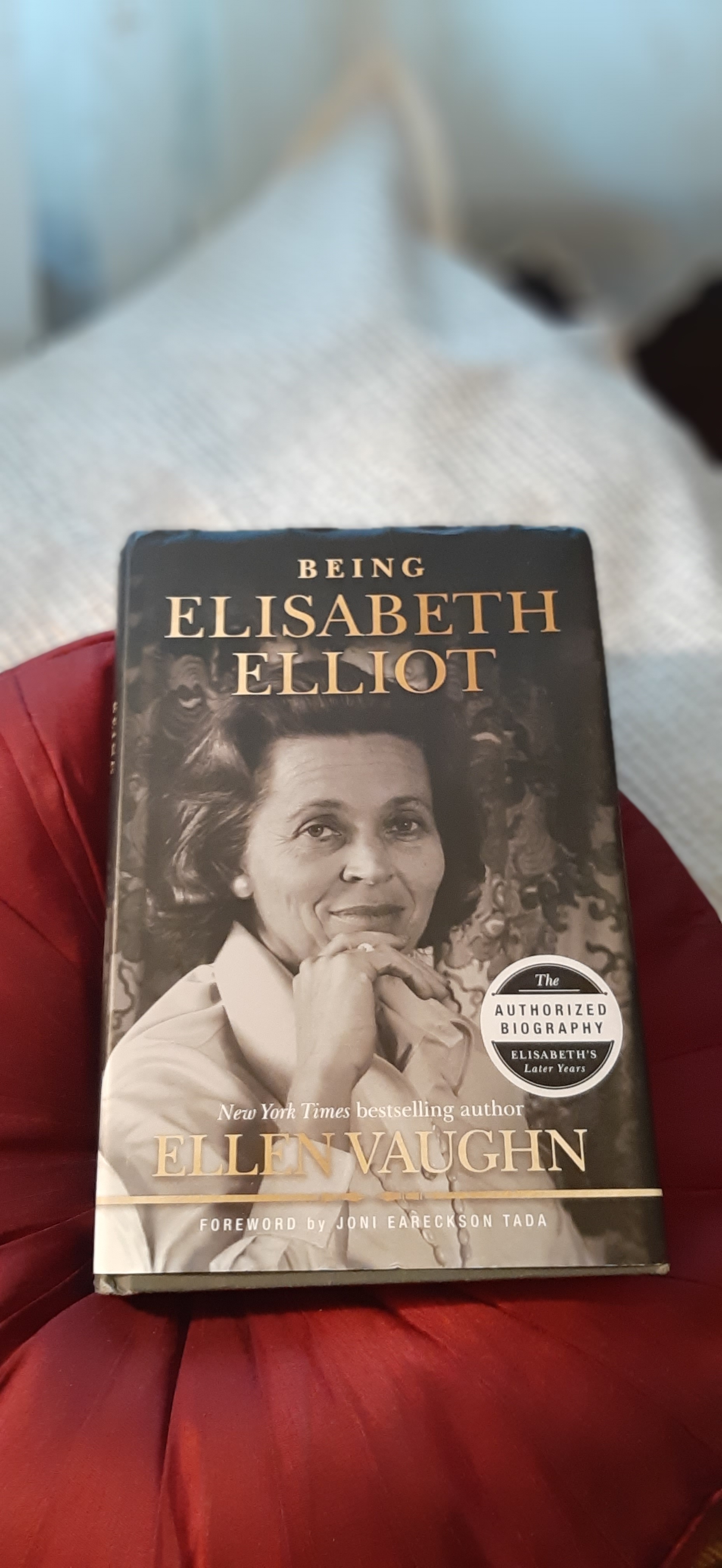
BEING ELISABETH ELLIOT

by Ellen Vaughn

Biography, Published in 2023

*Please note that I earn from qualifying purchases as an Amazon Associate. Please see the disclaimer at the bottom of the page.

Summary:

Being Elisabeth Elliot is the second book in the two-book biography series by Ellen Vaughn. She weaves historical events, life events, and Elisabeth’s thoughts from her private journal in both books. The first book is Becoming Elisabeth Elliot. It covers her early years, her courtship with Jim, and their brief marriage. It ends with her decision to leave Ecuador with her daughter, Valerie, to settle and begin life in North America.

Being Elisabeth Elliot begins with her adjustment from the communal culture of the people living in the jungles of Ecuador to New England suburbs and the harsh winters. Many people may be familiar with Elisabeth’s speeches, writings, and radio programs. Still, Ellen Vaughn shares Elisabeth’s unknown personal struggles – her struggle to be published and the criticism of her earlier works.

Ellen also shares how Elisabeth unexpectedly fell in love again while trying to do what was right. There are a few surprises about the person and character of Elisabeth Elliot that were unknown to the public and maybe only known in her private journal. Those surprises have caused a little stir in some circles on social media and possibly within close-net friendships and book clubs. I will not disclose those surprises, but I will share that I found some relief after reading this book. Relief that this woman, who so many look up to, is human. Like you. Like me. She was not perfect. Elisabeth failed in some areas of her life. However, one evident thing was that Elisabeth loved God and honestly wanted to do what was right until the end. Some may even say that the desire to do what was “right” may have been too strong, but you will have to decide on your own after you read the book.

Why Read this Book?

Elisabeth Elliot was a missionary, a wife, and a mother who lived in Ecuador and repatriated back to her passport country, the U.S. Like many who have repatriated, hers was bumpy along this path of transition. I loved that this biography was not polished and clean. Ellen Vaughn does an excellent job telling the truth while still honoring the main character, Elisabeth Elliot – a woman many admire.

Book Review: SERVING AT THE ENDS OF THE EARTH by Steve and Gill Bryant

SERVING AT THE ENDS OF THE EARTH: Family life and TCKs, 3rd edition

by Steve and Gill Bryant

Published: 2017

*Please note that I earn from qualifying purchases as an Amazon Associate. Please see the disclaimer at the bottom of the page.

Serving at the Ends of the Earth is divided into seven sections. Steve and Gill begin by laying a foundation for what a missionary kid (MK) or third culture kid (TCK) is. They devote a section on transition describing what it is like, ideas to help with re-entry, and even a chapter for those times when a family may suddenly need to leave the host country without warning. Another section deals with parenting TCKs and has a chapter on cross-cultural marriages, which is nice as there are not a lot of resources on this topic. These sections are helpful and bring up some points that would be good for spouses/partners to discuss during all stages of transition.

I appreciated the last three sections of the book. First, one section deals with the heavy topic of dangerous situations and keeping children safe. This section was practical and is something that more and more organizations are becoming more educated in. I was glad to see it in this book as parents also need to be educated and know practical ways to keep their children safe.

The next section was about non-American TCKs. I appreciated this section because much of the literature comes from this background, and it is so good to read about what TCKs from other parts of the world experience. Their experiences are different and the challenges of repatriating or transitioning to university can be tricky. If you work in international schools, mission organizations, or HR departments of companies that have missionaries/global workers from all over the world, then I highly recommend this book just for this section alone.

The book’s last section is near and dear to my heart – educational issues. They discuss the different options, as well as their advantages and disadvantages. Another chapter deals with boarding schools. These two chapters are logical and can really help parents figure out what is best for each of their children. The authors point out that children are different and could need different educational options to help them grow and mature. The last chapter is on special education. Most of this chapter described various impairments, but the last few pages had guidelines for parents of children with special needs and for the sending agency. While I’m glad they included this chapter, I had a lot of questions after reading it, especially regarding their recommendations about MK schools being willing and able to take these students. While one would think it might be true, in reality there are few. But that is for another post at another time.

Though the audience of this book is missionary families and those who work with them, I see benefits to any global mobile family or organization/company that works with them to better understand what families need to consider when making a big move.

Book Review: BECOMING MORE FRUITFUL by Amy Young

BECOMING MORE FRUITFUL IN CROSS-CULTURAL WORK: How to be Free in Christ and Rooted in Reality as You Fulfill Your Call

by Amy Young

Published: 2022 by Messy Middle Press

*Please note that I earn from qualifying purchases as an Amazon Associate. Please see the disclaimer at the bottom of the page.

In this book, Amy Young dives into what is known as “The Fruit of the Spirit” from Galatians 5:22-23. If you are unfamiliar with this phrase or this passage, here is a quick summary. Paul lists nine characteristics Christians have in Christ. This is not a devotional or a sermon, so I will not explain why Christians do not always produce or show these fruits well. Amy does a nice job with that. But, here are the fruit listed from the Galatians passage: love, joy, peace, patience, kindness, goodness, faithfulness, gentleness, and self-control. She also explains why Paul calls the nine the “fruit of the spirit” instead of “fruits.”

The book is divided into three sections. Amy shows how the first three characteristics mentioned point upward to our relationship with God. The second section focuses on the next three characteristics and how they reflect (or should reflect) towards others. The last section reveals how the last three characteristics relate to our self.

The book is easy to read, and the concepts are simple. Her audience is cross-cultural workers, but I see how it can be used for any Christian wanting to grow in their faith and knowledge of God. My only criticism is that I wish she had added some questions at the end of each chapter that would cause me to stop and reflect on my life. Instead, I felt like I had read the chapter, nodding in understanding and acknowledgment, but was not challenged to examine my life. Maybe if I had read this book with a group of others and discussed the concepts more, I would feel differently.

Overall, it is a good book if you want a basic understanding of Paul’s characteristics in Galatians. But, if you want to grow, I recommend reading it with a study group.

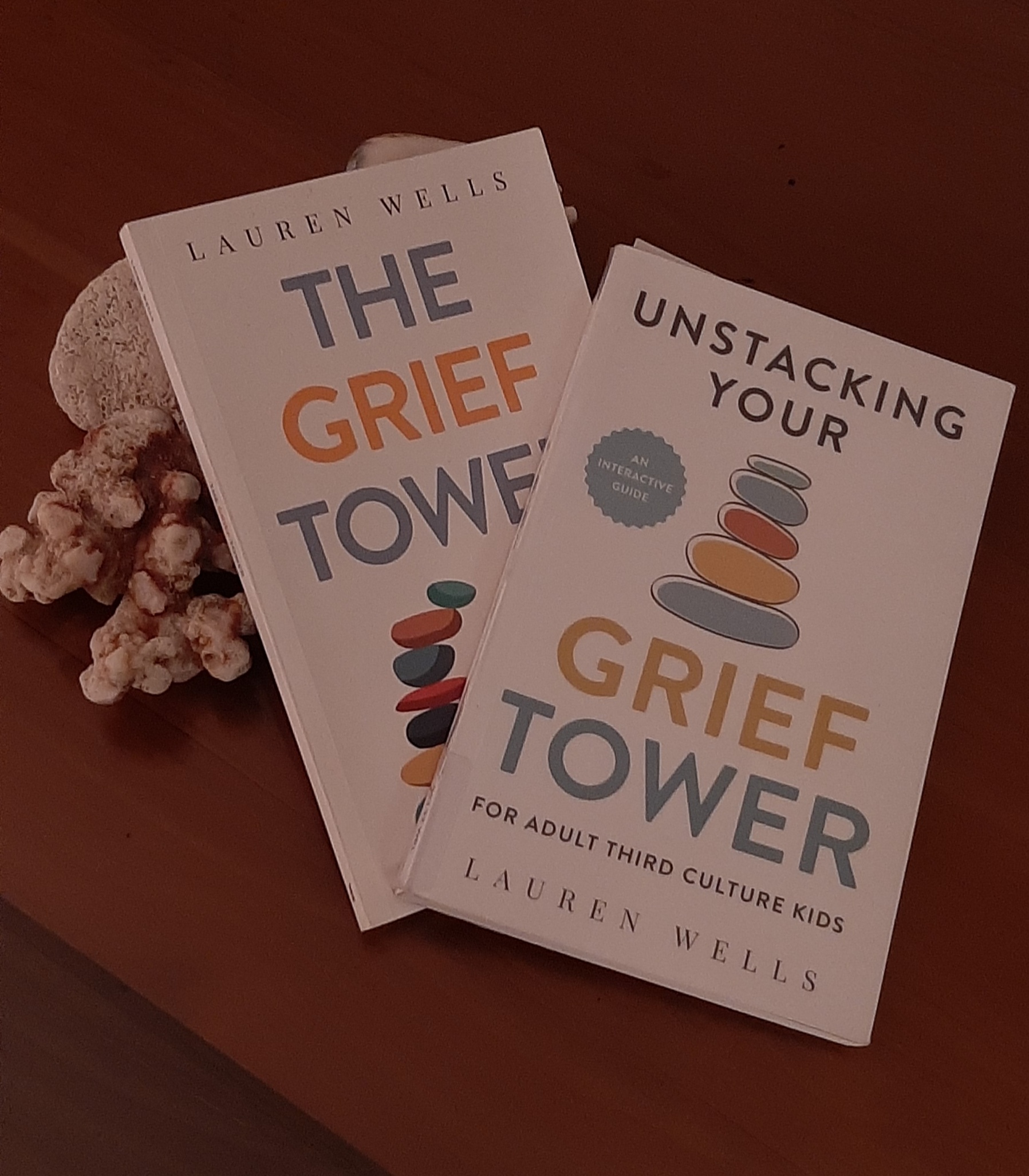
Book Reviews: THE GRIEF TOWER & UNSTACKING YOUR GRIEF TOWER by Lauren Wells

THE GRIEF TOWER: A practical guide to processing grief with third culture kids

Published: 2021

UNSTACKING YOUR GRIEF TOWER for adult third culture kids

Published: 2021

Both books were written by Lauren Wells.

*Please note that I earn from qualifying purchases as an Amazon Associate. Please see disclaimer at the bottom of the page.

Summary:

Lauren Wells is the CEO of TCK Training and the Unstacking Company. The TCK life is an ampersand where life is both exciting and hard. As a TCK and working with a number of TCKs, she found that processing grief and loss was hard work. She also noticed a gap in the care for TCKs and started to fill that gap with her book, Raising up a Generation of Healthy Third Culture Kids. Soon after, she released her books based on the Grief Tower Model that she developed. This model is to help process grief and loss.

THE GRIEF TOWER

This book is only 84 pages long. The chapters are short and easy to read. It is the theory behind the Grief Tower Model. Lauren offers clear understanding with practical suggestions to help TCKs process their own grief and loss. I appreciate this book as it breaks up the ideas for younger and older TCKs and how to relate to each group. It is a good book if you are curious about a grief model that looks at the life of TCKs. But if you plan to use the model with others, I highly recommend taking one of TCK Training’s workshops on debriefs or transitions.

UNSTACKING YOUR GRIEF TOWER

This is a practical guide for adult third-culture kids (ATCK), not children. It complements the book THE GRIEF TOWER, but you would not necessarily need to read it first. Lauren spends time in the introduction explaining the whats and whys behind this model. Each chapter guides you in processing your grief tower by asking questions or providing activities to work through. It can be done individually, or it could be done in a group where individuals share and move along together. This would need to be a “safe” space with guided rules of conduct, but processing grief with others can be healing. The Unstacking Company also offers a guided video workshop called Unstacking Your Grief Tower 101 led by Lauren. They also offer a workshop Processing Current Grief. Both workshops can be found here.

Both books warn that they are for educational purposes and not to be a substitute for “professional medical advice, diagnosis, or treatment.”

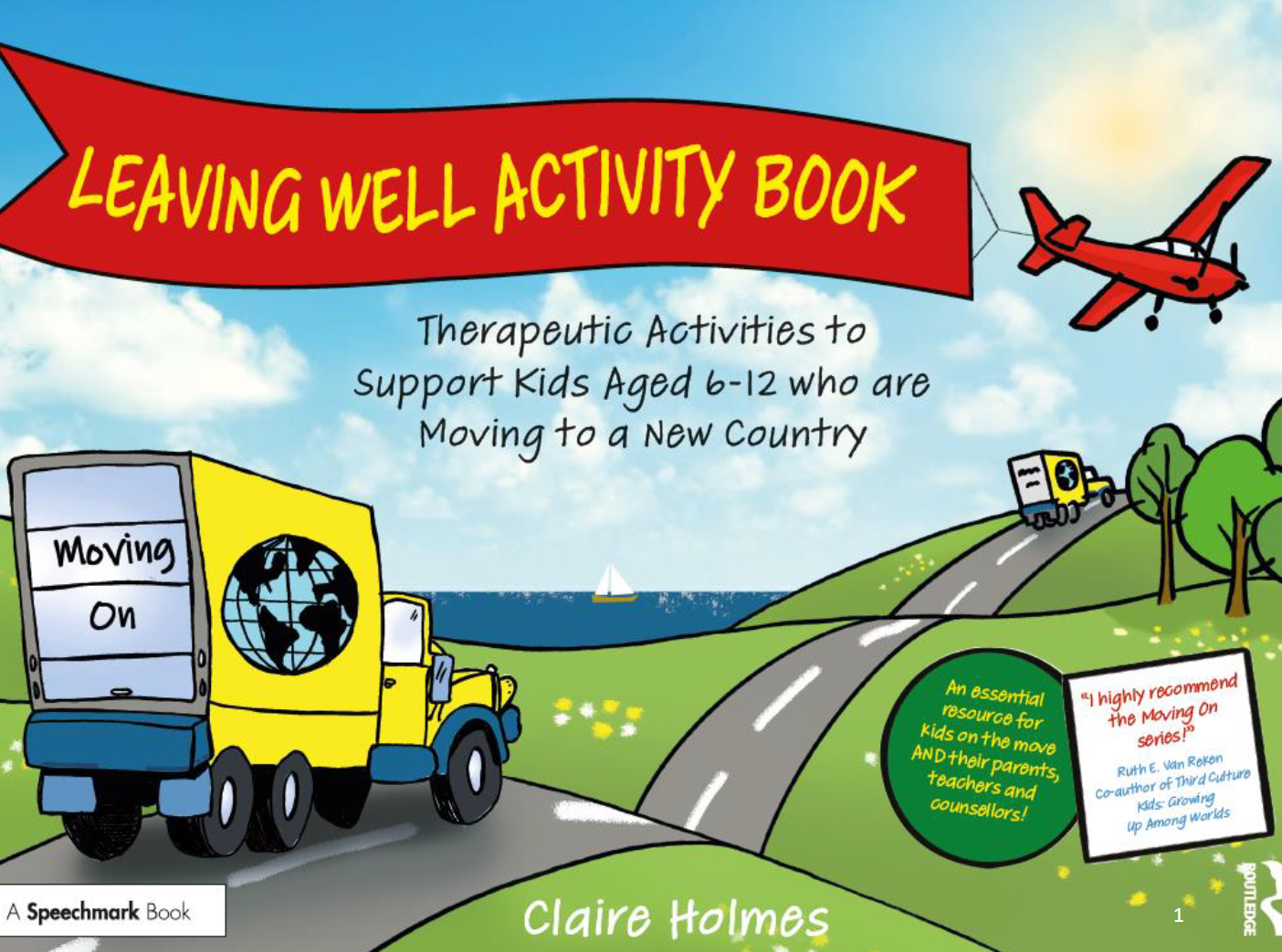
Book Review: MOVING ON SERIES by Claire Holmes

  1. LEAVING WELL ACTIVITY BOOK
  2. ARRIVING WELL ACTIVITY BOOK
  3. MOVING ON FACILITATOR’S GUIDE

by Claire Holmes

Published: 2023

*Please note that I earn from qualifying purchases as an Amazon Associate.

Summary:

Claire Holmes is Head of School Counselling at Tanglin Trust School, Singapore. She has worked with TCKs for 14 years. This small piece of information significantly impacted why I wanted to review this series. Plus, the fact that it is for the younger TCKs is something I feel has been lacking.

There are two workbooks with one facilitator’s guide. Both workbooks are filled with activities that help children process their emotions and thoughts about transition. You can buy the workbooks individually or in a bundle with the facilitator’s guide.

LEAVING WELL:

Claire uses activities that start when the parent(s) tell the child they are leaving. She has the children look at their feelings using an adapted chart of culture shock but does not use that vocabulary. Many people who have lived overseas for long have heard of RAFT. It is a great tool, but the concepts are challenging for children in the age group. Claire uses GUTSS but has the same concepts as RAFT, just in simpler terms.

ARRIVING WELL:

In this workbook, Claire begins by letting children chart their times of transition on a timeline. She has various activities to help children recognize stress in their bodies but also provides ways to cope that help relieve anxiety. Again, the simplified version of the Stages of Culture Shock graph is used to help children name the emotions they may be feeling at this time in the move. She ends the workbook with ten tips and appropriate activities to help transition into a new place.

FACILITATOR’S GUIDE:

This book is designed like a teacher’s manual. Every activity in both workbooks offers the rationale for the activity, how to set the scene for the activity, materials needed, directions for the activity, tips to make it easier, and extension activities that you can add if you would like. I have not tried the manual, but it seems easy to use with clear directions.

Overall, I think this is a perfect resource tool for the school to help younger children who are ready to move or have just moved to the school. I like that Claire used vocabulary that helps children at this age grasp the concepts of transitions while offering them space to process their emotions. I believe that giving children language to express their feelings empowers them to communicate clearly and better understand what they are experiencing during this significant life event. Claire does mention that the LEAVING WELL workbook should be started around eight weeks before departure. I agree, but I would also encourage you to start earlier with the goodbye pages so that if there are any lasts, you as a family can not only plan them but have time to make them happen.

Book Review: ESSENTIALS FOR PEOPLE CARE AND DEVELOPMENT, edited by Geoff Whiteman and Heather Pubols

ESSENTIALS FOR PEOPLE CARE AND DEVELOPMENT: A Collection of Best Practices, Research, Reflections, and Strategies

Edited by: Geoff Whiteman and Heather Pubols

Published: 2023

*Please note as an Amazon Associate, I earn from qualifying purchases.

This book is a collection of articles written by researchers, leaders of member care, and counselors who work with global workers. The forward, written by Laura Mae Gardner and Brent Lindquist – pioneers of member care- encourages and praises this collection but also challenges everyone to keep researching as they see member care continue to change and grow in the future.

The book is divided into two sections. The first section is titled “Engaging the Cross in Member Care,” touching on suffering, resilience, reasons for attrition, trauma care, and how the gift of hospitality can be used in member care. The second section is titled “Engaging Our Changing World in Member Care” This section challenges the collaboration of mission organizations with the sending churches to better support those that are sent overseas. It offers practical suggestions such as checking for family preparations, child safety, conflicts on the team, and how team dynamics are affected by different attitudes and personalities of supervisors.

An individual can use this book to understand member care and how to improve one’s own part. But it can also be used in a small group as a springboard for professional development. Each article has questions at the end that can be used for discussion, along with a list of other resources that can be used to research further. I found that after reading each chapter, I wanted to discuss the topics as I had more questions or did not always agree completely with what was written. That said, I think it an excellent book because a book that makes you think and want to discuss is a good book.